
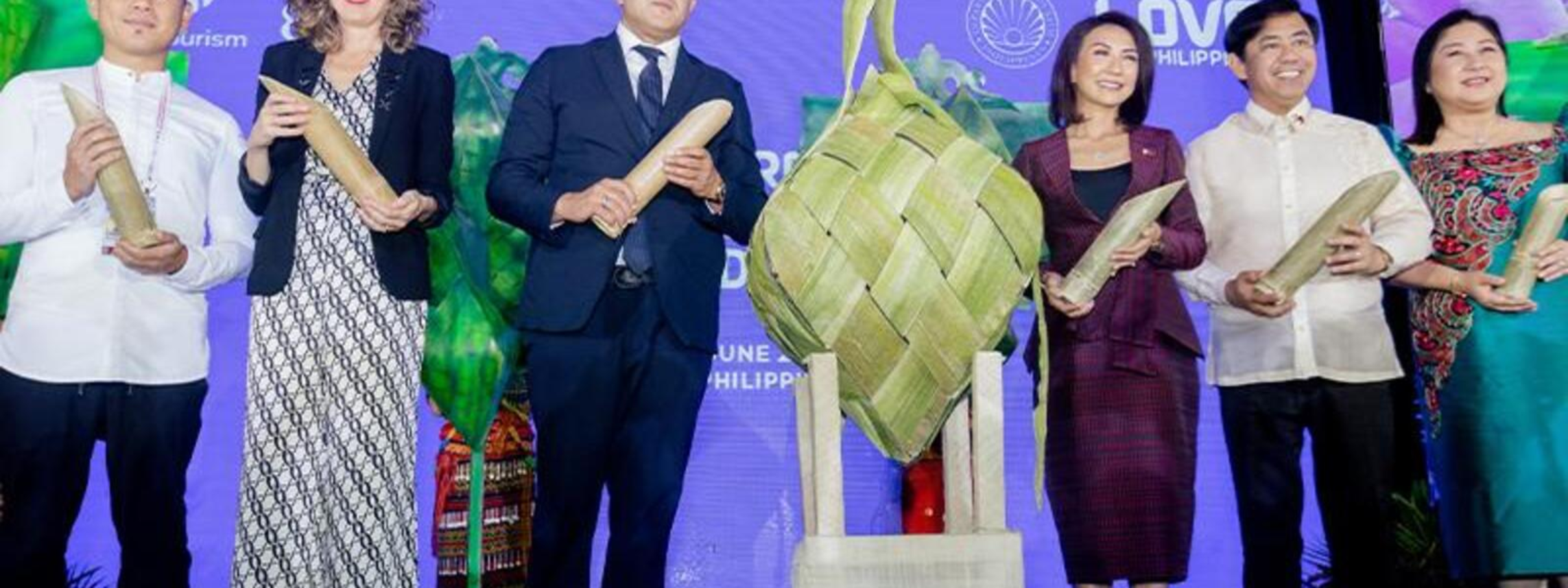
First Asia-Pacific Gastronomic Tourism Forum Brings Together Governments, Businesses, and Top Chefs
The inaugural Regional United Nations Tourism Forum on Gastronomic Tourism for Asia and the Pacific, building on the success of the global event, served as a platform for public and private sector leaders to address the key challenges and opportunities in this rapidly emerging segment of global tourism.
Ministers Craft Better Policies for a More Inclusive Future
Reflecting the strong commitment of member states to harness the economic and social benefits of gastronomic tourism, UNWTO focused on policy frameworks and governmental action.
In the opening address of the Ministerial Dialogue, Christina García Frasco, Secretary of the Department of Tourism of the Philippines, joined Martini M. Paham, Vice Minister of Resources and Institutions of the Ministry of Tourism and Creative Economy of Indonesia, Jakkaphon Tangsutthitham, Vice Minister of the Ministry of Tourism and Sports of Thailand, Mitsuaki Hoshino, Vice Commissioner of the Ministry of Land, Infrastructure, Transport and Tourism of the Japan Tourism Agency, and Maria Helena de Senna Fernandes, Director of the Macao Government Tourism Office (China). The ministers advocated for policies and strategies to enhance the benefits of gastronomic tourism and highlighted the importance of connecting tourism with other sectors such as agriculture, culture, and rural development.
UNWTO Secretary-General Zurab Pololikashvili stated: “Food is at the heart of every tourist experience, and gastronomic tourism offers numerous social and economic benefits. To leverage its potential, we need well-defined gastronomic tourism policies and strategies that bring together all stakeholders with a common vision and mission, as exemplified by this first regional forum.”
Cebu Call to Action on Gastronomic Tourism
The event concluded with the Cebu Call to Action on Gastronomic Tourism, urging public and private sector leaders to develop comprehensive strategies at all levels to integrate gastronomic tourism into policies and practices. It calls for governance mechanisms that unite stakeholders under a shared vision, promote cross-sector cooperation between agriculture and culture, and support small businesses to enhance their market position. Emphasis was placed on empowering local communities through training and funding, promoting unique culinary experiences, and advocating for sustainable practices that protect local cultures and the environment.
Gastronomic Tourism: Territory, Communities, and Sustainability
Aligned with UNWTO’s focus on inclusive rural development, inclusion, and sustainability, the forum brought together academics, business leaders, community representatives, and top chefs to explore pressing issues in the field of gastronomic tourism.
There was a strong emphasis on ensuring the sector is managed harmoniously with host communities and local traditions, empowering them through the use of local products, stronger links with agriculture and creative industries, and blending heritage with new trends. Among the "Chefs Leading Change," the forum featured three UNWTO Ambassadors for Sustainable Tourism: Chef Pilar Rodríguez (Chile), Chef Rudolf Stefan (Croatia), and Chef Margarita Fores (Philippines).
On this occasion, UNWTO nominated Chef Vicky Cheng (Hong Kong, China) as its latest Ambassador for Sustainable Tourism.